The Story
I began writing the first draft of my novel, knowing at some point it would stop being a memoir and the characters would reveal themselves to dictate where their story would go. And that point for me came when I wrote the first sentence:
June. The days are hot. The evenings are cool.
Before I go on, allow me to share this excerpt in its entirety. I first read it when I lived in Naples, Italy, beginning in November 1990. The days were cool, the evenings were humid, and I had access to this shelf stacked with books collected by the lovely woman who’d invited me to crash at her place in the Spanish Quarter. Among them, I found this:
This is the image from which [Tomas] was born. As I have pointed out before, characters are not born like people, of woman; they are born of a situation, a sentence, a metaphor containing in a nutshell a basic human possibility that the author thinks no one else has discovered or said something essential about. But isn’t it true that an author can write only about himself? Staring impotently across a courtyard, at a loss for what to do; hearing the pertinacious rumbling of one’s own stomach during a moment of love; betraying, yet lacking the will to abandon the glamorous path of betrayal; raising one’s fist with the crowds in the Grand March; displaying one’s wit before hidden microphones—I have known all these situations, I have experienced them myself, yet none of them has given rise to the person my curriculum vitae and I represent. The characters in my novels are my own unrealized possibilities. That is why I am equally fond of them all and equally horrified by them. Each one has crossed a border that I myself have circumvented. It is that crossed border (the border beyond which my own I ends) which attracts me most. For beyond that border begins the secret the novel asks about. The novel is not the author’s confession; it is an investigation of human life in the trap the world has become
— Milan Kundera, The Unbearable Lightness of Being
The image from which the characters of my story were born is that long, lingering moment when I was resting upon a mattress set on a floor in the flat of a woman whom I’d just met days before, thinking not only of her and when she’d be back from her work as a bottle girl, but also of another woman whom I’d met at the base weeks before, who was simple and kind, loved comic books as much as I did, and faced an uncertain future of being married off to the son of her father’s business partner.
The characters were also born from the uncertainty over my own future at the time, an uncertainty I’m grappling with now due to my own health challenges, and from the Russian dolls I continue opening, one from within the other, as I go through cognitive behavioral therapy (CBT) to deal with the issues born from the day that put me on that mattress over thirty years ago.
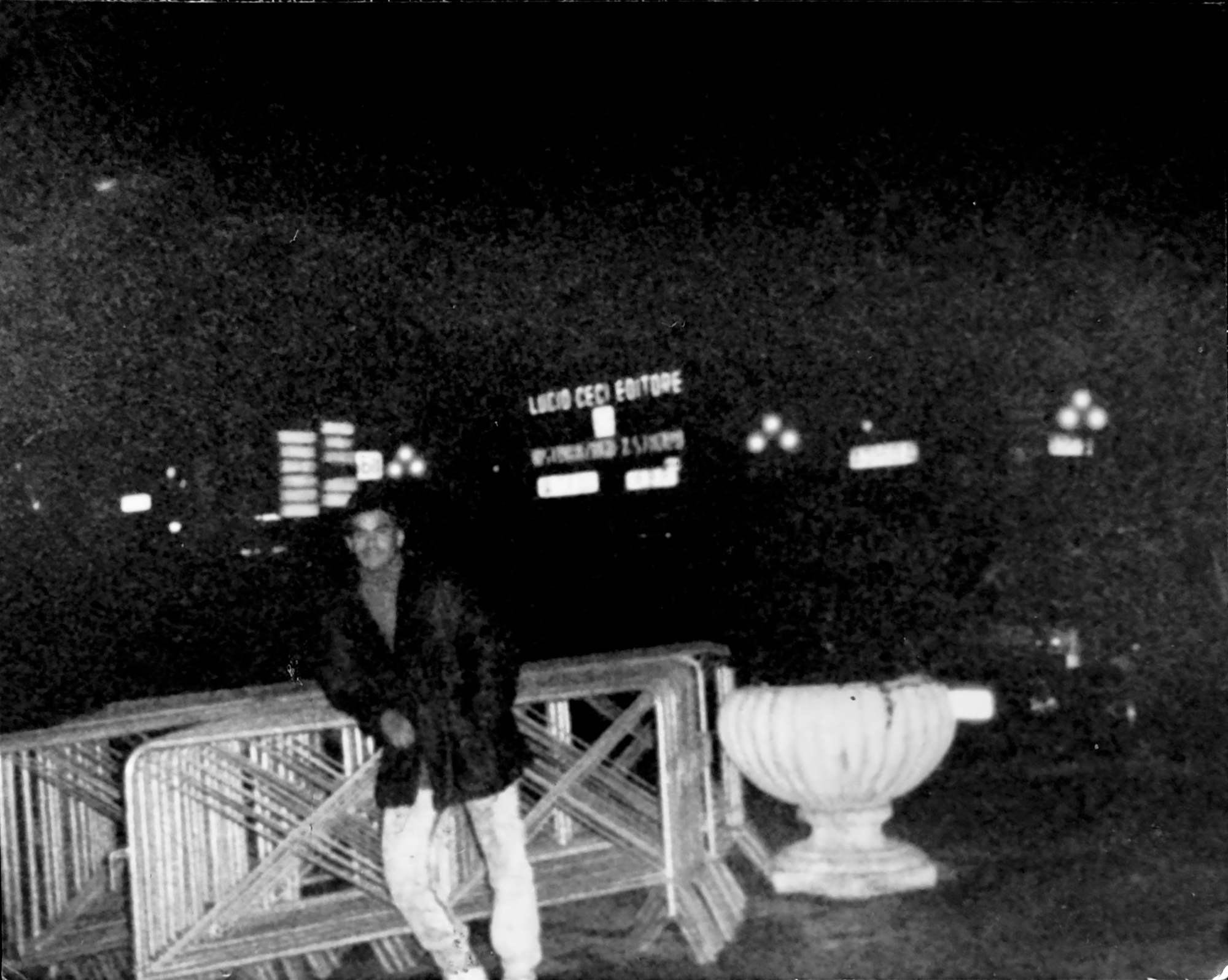
From this liminal space I find myself in, I see—with the blinding sight Dylan Thomas wrote about in his poem “Do Not Go Gentle into That Good Night”—all my possibilities, realized (I have known all these situations in my story) and unrealized (stemming from wondering, in my now infirm state, what could’ve been if I’d seen much sooner just how much magic there is in this world).
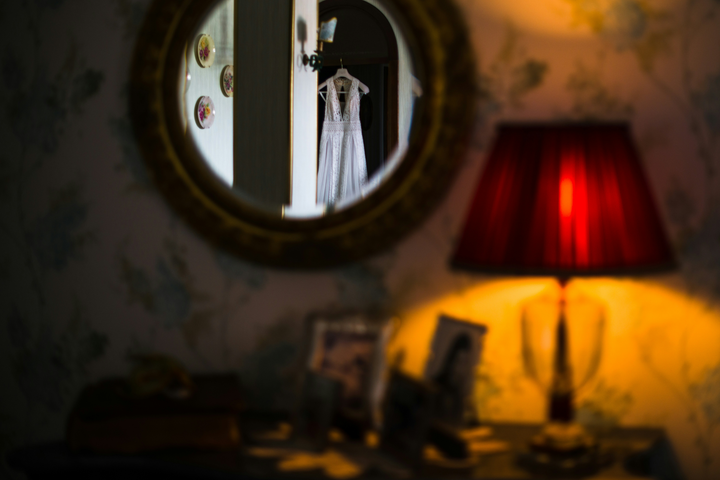
Rather than wonder—rather than mourn over something that I need to let go of, but I don’t want to—this story I have been shown by my characters is my ultimate expression of what I am seeing with this blinding sight—the love for life, even on its bad days—from this liminal space at the heart of all these Russian dolls buried within each other, one after another, and another—that there is a wedding we all face, and it is with our Creator, whom we will all be bound to for eternity, and it is in the arms of these two women I first experienced that sensation of what that must feel like, especially when my bottle girl would come home and be able to take off her platinum wig and fake eyelashes, and read to me her favorite excerpts from The Unbearable Lightness of Being before taking me to the chair she would have facing a wobbly mirror resting against a sliding door, pushing me down to sit, kissing the still-unhealed stab wound on the inner part of my left thigh, before stripping in front of me and climbing upon my lap, to make love to me as I would make love to her, and feel the total shedding of the persona she had to adopt to survive and the trembling ripping through her body in her allowing herself to have what she had forced herself to deny in order to survive—a pure, explosive full-body orgasm.
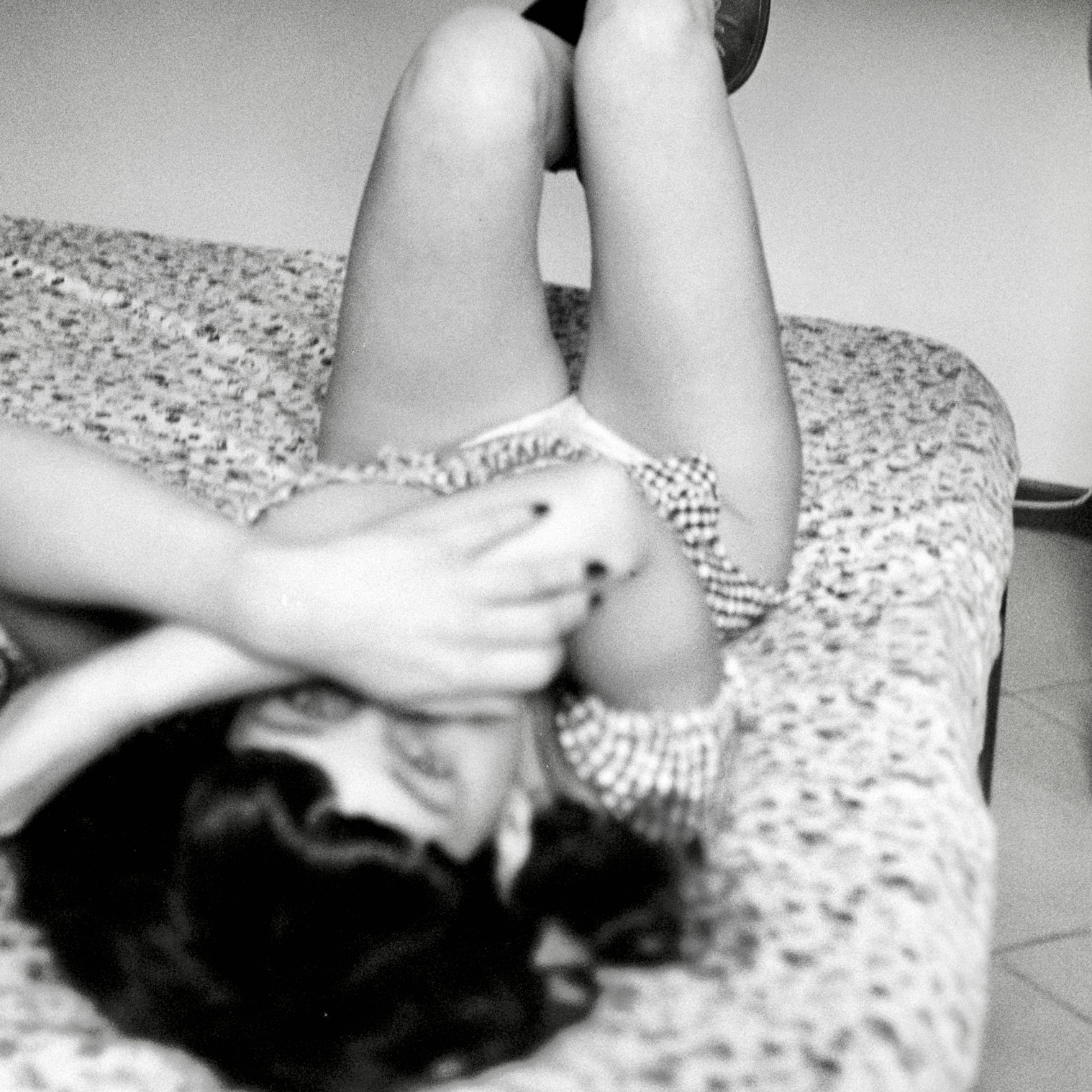
This—the way I just wrote it—is what that felt like and what life feels like now—the hunger to experience as much through the senses as I can, so that this story can take these realized possibilities as I’ve lived them, couple them with what had been unrealized, and express my understanding of what is on the other side of this door I stand before—an understanding whose foundation was set upon my first reading of the Upanishads—so that you, the reader, can also understand that in what may feel like a dystopian nightmare, if you come at life being authentic and direct and honest, and not judging people for what they must do to survive, you will find yourself in paradise, as the characters in my novel have shown me while I finished the first draft, what turned out to be my own unintended “investigation of human life in the trap the world has become,” conducted from within the Russian dolls of all my memories.
My latest novel The Desert Road of Night, which explores many of the themes in my short stories, poems, and personal essays like this one, is available now on Amazon.