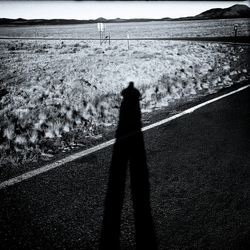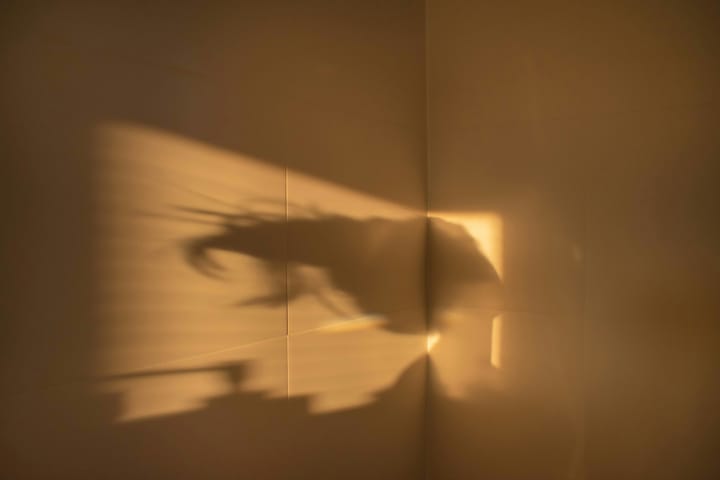
I’ve written the second draft of my novel while undergoing extensive surgeries over a three-month period, the last of which was earlier this week. Now that it’s complete, I can see the effect that has had on the process.
Before starting the second draft, I had a clear idea of how I wanted the story to be framed: the inciting moment, the rising action and complication for the main characters, the climax, and the reversal and the falling action leading to the resolution. I wrote my last post, “The Russian Dolls,” with this clear idea in mind, but that was days before my second surgery, and since then, reading through the second draft, I’m no longer sure.
Death by Echoes
The one phrase that has echoed through my entire adult life—the phrase first heard in the group therapy I’d undergone decades ago: How do we know we’re not dead already?
It was said among those of us who had survived near-death experiences while performing our duties during a war that had not officially started yet.
It’s a phrase I hear all the time now in the group sessions I take part in for those of us battling cancer, surviving it: How do we know? Is the attachment to life so strong that we refuse to let go when we may have already lost the battle, that death may have already freed us from the physical pain?
That phrase now goes along with the phrase said to me by my oncologists, twice: The life I’d known is now over. This is the new normal.
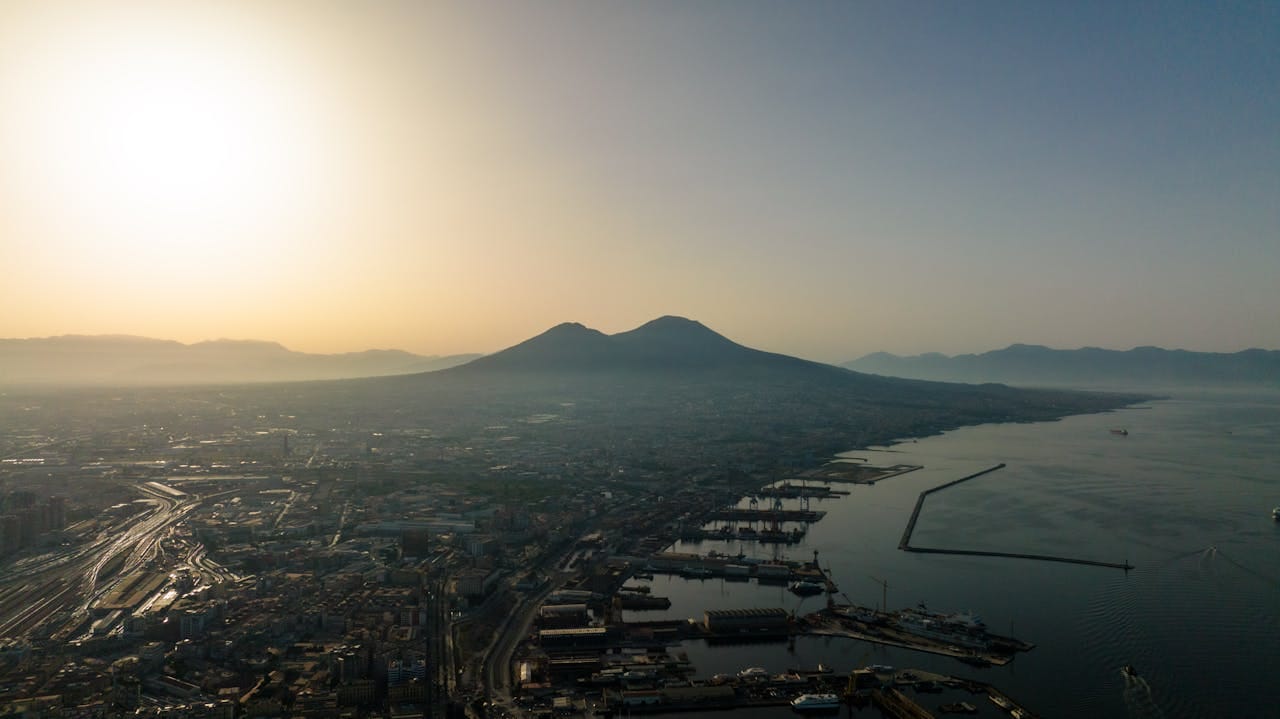
It was said among those of us who were physically recovering from other near-death experiences while performing our duties during a war that had officially started, months after I found myself in that first therapy group in Naples. That group came about after I woke up in an ICU in Germany, not being able to feel my arms and legs, after having been in a coma that led to my needing to physically recover—something I suddenly remembered while undergoing the extensive surgeries now, each time a nurse anesthetist would ask me to hold my arm or leg as they positioned me on the operating table because those body parts would already be dead due to a nerve block I needed to be awake for while they injected it—
Look—
The adage for writers, especially novelists, is to show, not tell—
and I am trying to show just how much of my thinking has been influenced by this dreamlike state of mind where a sensation easily brings me back to 1991 then 1990 then 2001 and where it all feels the same to me and I am questioning: Did I survive this battle, and if not, did I die in 1990? 1991? 2001? 2021? 2024? 2026?
Death by Boundaries
Of course I’ve survived, but that is not the point. The life I had lived, from the inside of everything that my mind would say is an “I,” now feels as dead as those limbs I held in place just before being put under general anesthesia, and midway through writing the second draft, in my soul’s effort to bring that sense of “I” back to life, I needed not only to let go of that old life but also to let go of the clear ideas I had for my story.
What if the process was an opportunity to use this gift of actively living from within this liminal mindset to present a story that asks these very same questions I’ve had to tackle lately? What if the characters in the story don’t know who they are, where they came from, and whether they are dead or alive, with the reader not sure which side of the border the narrative stands on?
The border I alluded to in my novel The Desert Road of the Alive that separates the Land of the Alive and the Land of the Not-Alive.
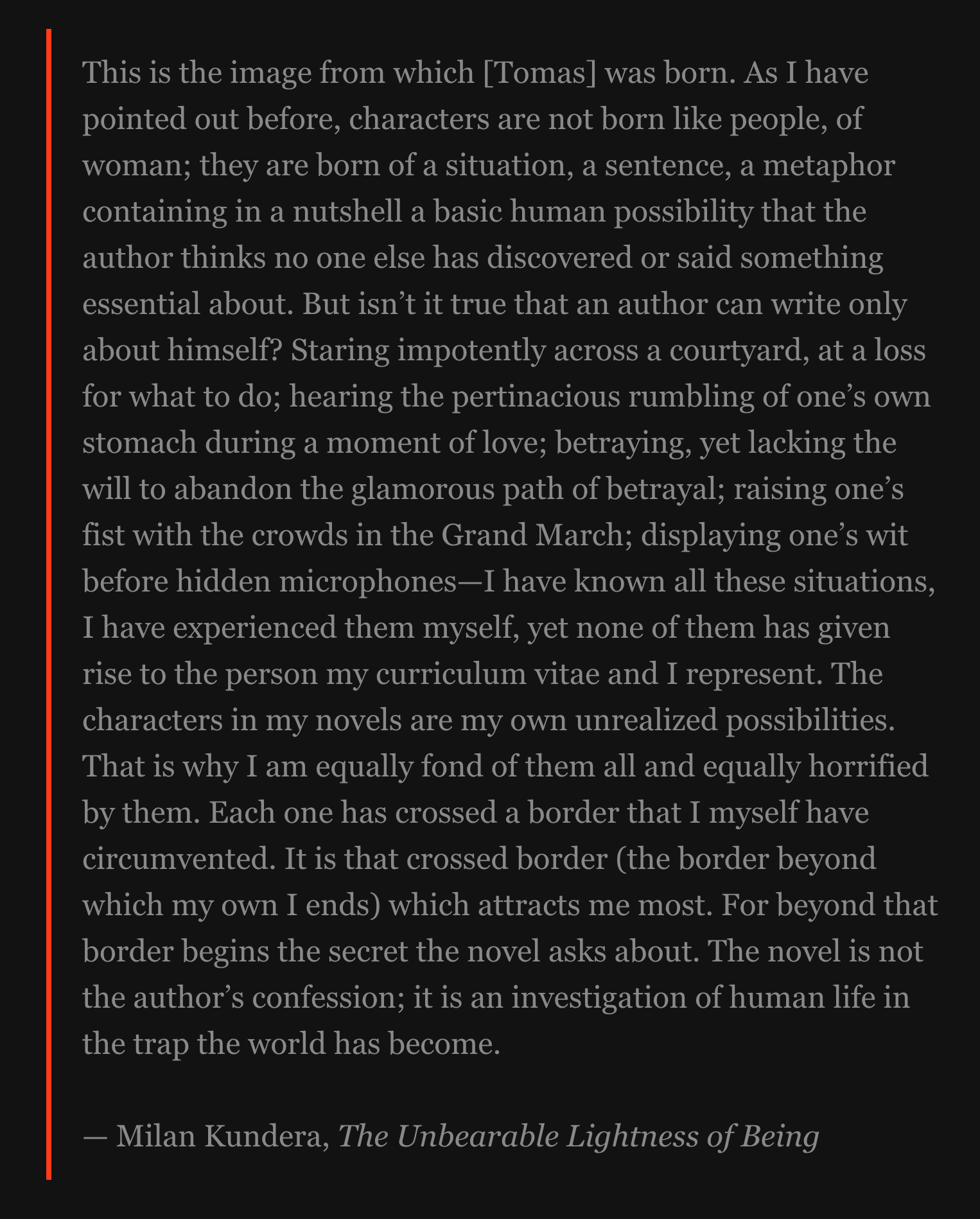
The border Milan Kundera defined in his novel The Unbearable Lightness of Being (and that I wrote about in “The Russian Dolls”).
Death by Poetry
The third draft will take what had been inspirations based on the real people I’d known from Naples in 1990 and finish what had started in the second draft, making them their own persons, while, by the end of the story, leaving the reader with an experience that will stay with them longer than the typical content slop out there.
This, after all, started out based on my life, and the lives of others.
It’s my way of asking, the same way T. S. Eliot asked those reading “Death by Water” in his poem The Waste Land to “Consider Phlebas, who was once handsome and tall as you.”
Consider us when we are no longer here.
Death by Memory.
We were once as handsome and tall as you.
My latest novel The Desert Road of Night, which explores many of the themes in my short stories, poems, and personal essays like this one, is available now on Amazon.
The TL;DR
My piece is about the death of the self that knew what the story was supposed to be, and the discovery that losing that certainty was the gift. It’s about time collapsing under anesthesia, the question of whether survival means being alive, and turning that question outward to the reader who will outlive me.
I had a clear structural plan for the second draft before my surgeries.
BUT
After three months of operations, reading through the draft, I’m no longer sure of any of it.
BECAUSE
The phrase “How do we know we’re not dead already?” keeps returning—first from fellow sailors and Marines in therapy, now from cancer survivors, now from my own mind.
AND
The surgeries triggered memories of waking in Germany unable to feel my limbs, and each time a nurse asked me to hold a dead leg on the operating table, time collapsed.
THEREFORE
I can’t tell 1990 from 1991 from 2001 from 2026. The years occupy the same space.
AND
The old “I” feels as dead as those numbed limbs.
THEREFORE
Midway through writing, I had to let go of the old life and the clear ideas I had for the story.
BUT
That wasn’t loss. It was opportunity.
THEREFORE
What if the characters don’t know who they are, where they came from, whether they’re dead or alive? What if the reader can’t tell which side of the border the narrative stands on?
THEREFORE
The third draft will finish making the characters their own persons while leaving the reader with something that lasts.
BECAUSE
This started based on my life, and the lives of others.
THEREFORE
Consider us when we are no longer here. We were once as handsome and tall as you.